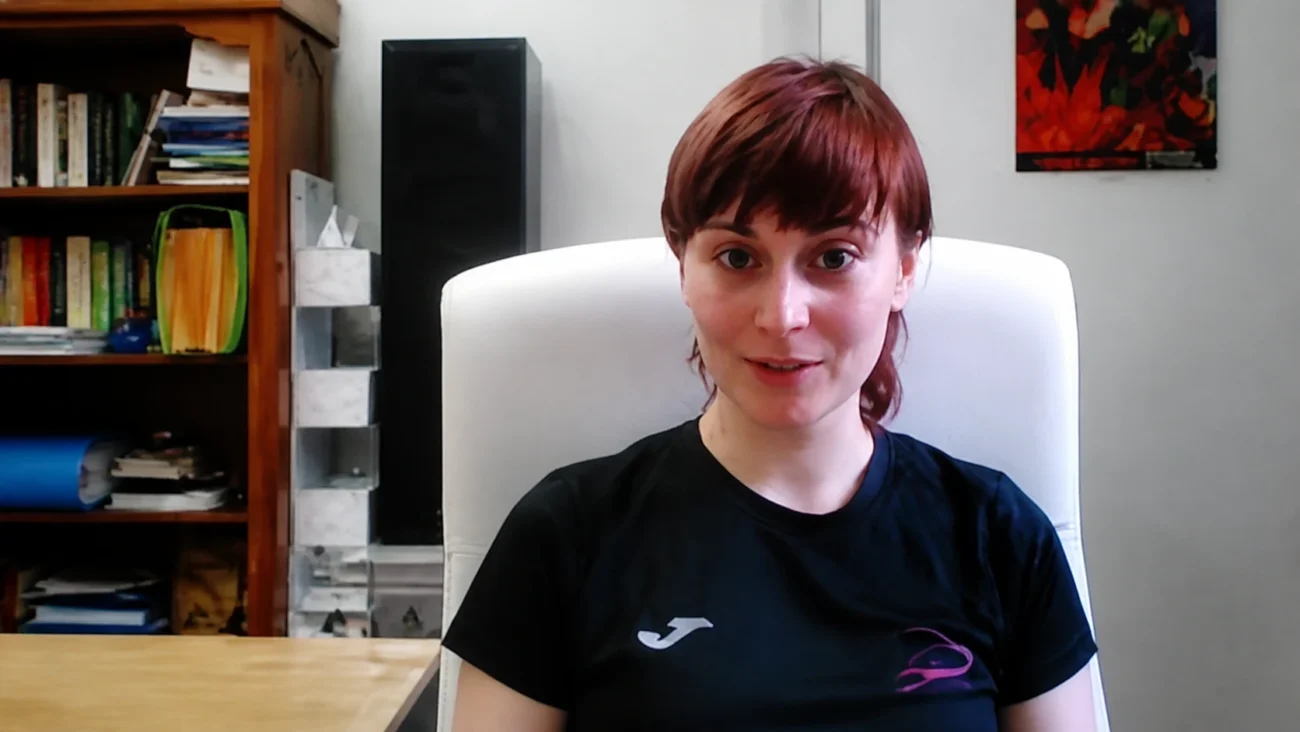
Yvette Amos had no idea her brief appearance on BBC Wales would turn her into a viral sensation. In January 2021, she appeared on the network’s evening program to discuss the challenges of unemployment during the COVID-19 pandemic. It was an interview like many others, or so it seemed. What Amos likely did not anticipate was the uproar her background would cause. Behind her, on a shelf, was an object that many viewers quickly pointed out—a sex toy, innocuously sitting in the frame, unmentioned and unnoticed by the broadcaster. What followed was an avalanche of memes, tweets, and viral clips, turning Amos from an anonymous guest into a fleeting internet sensation.
The viral nature of her appearance isn’t what makes Yvette Amos’s story truly noteworthy. Instead, it’s the way her brief brush with fame illuminates a range of important societal issues: the intrusion of personal life in the digital age, the perils of remote communication, and the challenges of navigating an increasingly media-saturated world. For some, her 15 minutes of fame was little more than an internet laugh; for others, it revealed the vulnerability of people thrust into the spotlight by circumstances beyond their control.
Early Life and Family
Though her name might be associated with one viral incident, there is little widely available public information about Yvette Amos’s life before January 2021. Her upbringing, family background, and early experiences have largely remained private. Based on her interview, it’s clear she hails from Cardiff, Wales. Apart from this, very little is known about her childhood, family life, or what she pursued before the events that catapulted her to fleeting viral fame. For many public figures, early life details help shape public perception, but Amos has mostly kept her personal life just that—personal.
Her sudden spotlight moment was not the result of a lifetime in the public eye or years spent cultivating a media presence. Instead, it was a product of the moment—an accident of viral culture that rapidly moved beyond the initial news segment.
The BBC Wales Interview
The fateful interview with BBC Wales in January 2021 was originally intended to address the troubling realities of job losses and the economic downturn caused by the COVID-19 pandemic. During the interview, Amos, a Cardiff resident, spoke candidly about the difficulties of navigating unemployment during such uncertain times. Many people had lost their jobs as businesses shuttered, and job-seeking became increasingly challenging in a rapidly changing environment.
What Amos likely did not foresee was the public reaction to the domestic backdrop behind her. Amidst a serious conversation about the economy, an object on the shelf behind her drew the attention of viewers. The object, a sex toy, was inadvertently visible in the frame, an unintentional element that went unnoticed by both the interviewer and Amos herself. It wasn’t long before the clip was taken from its original broadcast, turned into a meme, and began circulating on Twitter and other platforms, fueling the viral moment.
What’s striking is that the object wasn’t an intentional part of the discussion—it was merely an incidental background detail. Yet, as memes spread and jokes circulated, Amos found herself thrust into an unintended spotlight. What was meant to be a straightforward segment about unemployment became an internet sensation, raising questions about privacy, online culture, and the ways in which everyday moments can be captured and shared without consent.
The Impact of Viral Fame
Viral fame is a double-edged sword. For Amos, it brought with it a strange blend of amusement and discomfort. The object in the background became a comedic focal point for viewers, but for Amos, it was a reminder of how easily an individual’s private life can be laid bare for public consumption. Internet culture can be swift and often unforgiving, particularly when something unexpected or humorous is caught in the frame.
While the viral clip offered moments of humor, it also posed broader questions about the boundaries between public and private life. In the age of remote work and video interviews, viewers have become accustomed to seeing more of people’s personal spaces than ever before. In some ways, the pandemic forced the world to adjust to a new form of “public” appearance, one that blurred the lines between professional environments and the private, often uncurated spaces of home.
For Amos, the viral fame was both amusing and discomforting. Within days, she was the subject of memes, online commentary, and countless social media posts. But beneath the humor, there was a deeper implication: Amos’s background, something many people might never even notice in an in-person interview, had become the focus of international attention.
What Is Known and What Isn’t
While much of the public’s interest in Yvette Amos stems from the viral clip, it’s important to note that very little is known about her life outside of the few minutes that were aired on television. Amos hasn’t capitalized on the moment for business ventures, social media fame, or ongoing public recognition. Instead, she’s remained a largely private individual whose main brush with the spotlight was that single televised appearance.
There are few public records or interviews that give further insight into her career, personal life, or family. Most of what’s known about her stems from the viral attention, and she has not sought out a larger platform in the aftermath. This sense of privacy contrasts with the nature of her unexpected fame—her name became searchable not for any personal achievement or decision to enter the public sphere, but because of a viral moment that transcended the original context.
The Ethics of Viral Fame
The Yvette Amos story is an example of the often ambiguous ethics surrounding viral media. Should someone’s private space be scrutinized for entertainment purposes simply because they appeared in a broadcast? While many viewers found humor in the situation, there is a lingering question about the ethics of viral fame: is it fair to publicize a person’s private life for a laugh, particularly when it happens accidentally?
For some, the moment may have been a harmless, funny viral event. For others, it could be seen as a reminder of how easily privacy can be violated in the digital age. The situation is a reminder that the people behind viral clips—whether they are accidental or intentional—are still human beings with their own boundaries and comfort levels. As we laugh and share online content, it’s crucial to remember that these are not faceless figures but real individuals with lives and experiences.
In Amos’s case, the ethics of viral fame remain complicated. While some may argue that it was an innocent mishap, the public attention that followed was largely out of her control, raising larger questions about the responsibility of both media platforms and the audience.
The Public Image of Yvette Amos
Since the BBC Wales interview, Yvette Amos’s name has become widely known—though mostly because of the viral clip, not because of her actions or decisions. She has not, as of now, used this moment to build a larger public persona or expand into media opportunities. Instead, she has remained relatively private.
This has led to a certain level of ambiguity in terms of her public image. Many people remember her simply as the woman with the background item during a news interview. However, much of what was said about her online after the incident centers on the object in the background rather than her actual contribution to the interview, which discussed an important issue: unemployment during a global pandemic.
This contrast between her public persona and the original intent of her appearance highlights how the internet culture surrounding viral fame can often overshadow the substance of the original event. For Amos, the important message of the interview—speaking about the real challenges of unemployment—was lost in the rush to find humor in the background. Yet, in another sense, her name will forever be connected to a story that underscores both the power and the pitfalls of viral internet culture.
Where Is Yvette Amos Now?
As of the latest available information, Yvette Amos has not made any major public moves following the viral clip. She has not used the incident to build a larger public career or gain significant media attention. Whether she wishes to keep her life private or simply has no interest in the fleeting nature of viral fame, Amos appears to have returned to her life outside of the public spotlight.
There is no indication that she has pursued public engagements, interviews, or collaborations following the incident. The privacy she maintains is a testament to the idea that one viral moment doesn’t define a person’s entire life. In many ways, the viral fame that came her way was more about the internet culture and media climate of the time than about Amos herself. The real story is that of a private person whose life was momentarily broadcast into the public eye.
Frequently Asked Questions
Who is Yvette Amos?
Yvette Amos is a woman from Cardiff, Wales, who became known after an accidental viral moment during a BBC Wales interview in January 2021. During the interview, viewers noticed a personal object in the background, which led to widespread internet attention. Amos discussed unemployment during the COVID-19 pandemic, but her viral fame came from the background detail, not her interview content.
Why did Yvette Amos’s interview go viral?
The clip of Amos’s BBC Wales interview went viral because of an unexpected background detail—a visible adult item on a shelf behind her. Viewers quickly shared screenshots and memes, turning a serious conversation about unemployment into a viral moment. The viral nature of the clip stemmed from the unexpected nature of the background detail, which contrasted with the tone of the interview.
Has Yvette Amos used her viral fame for personal gain?
As of the latest available information, Yvette Amos has not used her viral moment for personal gain. She has not pursued further public engagements or built a social media following. Instead, she has remained a largely private individual, and the viral clip remains her most significant public moment.
What was the original topic of the BBC Wales interview?
The BBC Wales interview was originally about the struggles of unemployment during the COVID-19 pandemic. Amos discussed the challenges she faced in searching for work and the broader economic impact of the pandemic. However, the background detail in her home became the focal point of the clip, overshadowing the interview’s original purpose.
How does the story of Yvette Amos reflect broader issues in media and privacy?
The story of Yvette Amos highlights the blurred lines between private and public life in the digital age. The viral fame she experienced is a reflection of how easily private moments can be broadcast to the world, often without the consent or intent of those involved. It raises important ethical questions about the responsibility of media platforms and the audience in respecting the privacy of individuals.
Conclusion
Yvette Amos’s story is a poignant reminder of how quickly the lines between the private and the public can blur, especially in the era of viral media. What was intended as a straightforward interview about unemployment during a global pandemic became a viral sensation because of an unintentional background detail. The viral clip, funny to some, underscored the complexities of remote communication during the pandemic.
Amos has not sought to capitalize on her brief moment of fame. Instead, she has returned to a life that remains largely private, with little public information about her outside of the viral incident. Her story is both an exploration of the fleeting nature of internet fame and a reflection of the broader issues surrounding privacy in a media-saturated world. Whether she chooses to remain private or eventually embraces the attention, Amos’s name will always be linked to a moment that inadvertently captured the tension between public and private life in the digital age.
