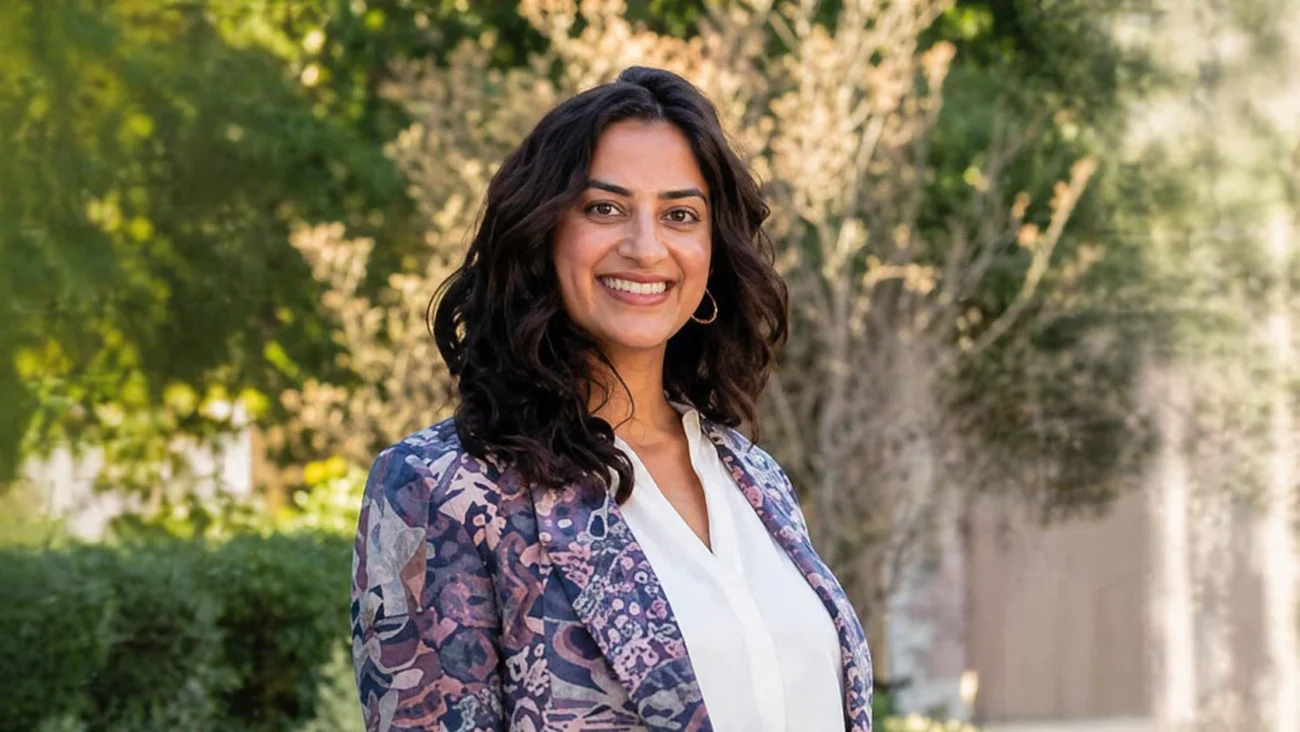
Shivani Dave’s career does not follow the usual route into British broadcasting. They studied physics, moved into science media, built a radio career at the BBC, and later became one of the more visible queer South Asian voices in UK media. For many listeners, Dave became familiar through Virgin Radio Pride, BBC programming, The Log Books podcast, and commentary on LGBTQ+ rights, politics and identity. Their story is about media work, but it is also about what happens when a broadcaster uses visibility carefully, not as a slogan but as part of the job.
Dave is a journalist, presenter, producer, political commentator and community organizer who uses they/them pronouns. Their work has crossed radio, podcasts, social video, documentary production, public speaking and activism. They are often described as a queer, non-binary South Asian broadcaster, but that description only begins to explain the range of their public life. What makes Dave interesting is the mix of technical training, editorial skill, identity-led storytelling and community commitment that runs through their career.
Early Life and Family Background
Public information about Shivani Dave’s early family life is limited, and that should be treated with respect rather than filled in with guesses. Dave has spoken publicly about being South Asian and queer, and they have written about how hard it can be to grow up without seeing people who share both parts of that experience. They have not made a full private family biography part of their public brand. For that reason, claims about their parents, siblings, childhood home or family relationships should be avoided unless Dave has confirmed them directly.
What can be said with confidence is that South Asian identity has shaped Dave’s public work. They have discussed the lack of visible LGBTQ+ South Asian role models and the pressure that can come with belonging to communities where queerness is often underrepresented or misunderstood. Their writing and interviews suggest that representation mattered to them before it became part of their career. That personal context helps explain why their journalism often returns to questions of belonging, visibility and whose stories receive attention.
Dave’s public image also reflects a careful boundary between personal truth and private life. They have been open about being non-binary and queer, but they have not turned every part of their personal life into public material. That balance is common among journalists and broadcasters who cover identity while still keeping their family and romantic life private. It also makes any responsible biography more focused on verified work than rumor.
Education and First Ambitions
Dave’s educational background is one of the most distinctive parts of their biography. They studied physics at the University of Nottingham, a path that does not immediately point toward radio presenting or political commentary. Physics gave them a grounding in evidence, systems, data and careful explanation. Those skills later became useful in journalism, especially in work that required translating difficult ideas for broad audiences.
After Nottingham, Dave studied science media production at Imperial College London. That move bridged the gap between scientific training and public communication. It also gave Dave a route into broadcasting that made sense of both interests: the discipline of science and the accessibility of media. Rather than abandon physics, they carried its habits of thought into journalism.
Their early ambitions appear to have formed through a mixture of academic interest and student media experience. Dave has said in public profiles that radio became a passion during university, where student broadcasting gave them space to experiment. That discovery matters because it shows a career shaped by practice, not only planning. Like many broadcasters, Dave found the medium by doing the work before becoming known for it.
Starting Out at the BBC
Dave began their professional media career at the BBC, where they worked across production, editing, reporting and presenting. Their early BBC experience included the World Service, which is often a demanding training ground for journalists because it requires clarity, speed and sensitivity to global audiences. They later worked across other BBC areas, including radio and science-related news output. These roles helped Dave build the technical and editorial base that would support their later public-facing work.
The BBC years also placed Dave inside one of the most influential media institutions in Britain. Working in that environment means learning not only how to write and present, but how to judge tone, balance, timing and public responsibility. Dave’s later commentary on identity and politics makes more sense when viewed through that professional foundation. They were not simply a public voice with strong views; they were a trained broadcaster with newsroom experience.
A key public moment came in August 2020, when Dave came out as non-binary live on BBC Radio Wiltshire during a Pride special. The moment drew attention because non-binary representation in mainstream British broadcasting was still limited. Dave explained on air that being non-binary means they do not identify as a man or a woman. The broadcast became an important part of their public story because it turned a personal truth into a clear, calm act of visibility.
Coming Out on Air
Coming out publicly can be a complicated act for anyone, but doing so live on radio adds another level of exposure. Dave’s BBC Radio Wiltshire moment was not framed as spectacle; it was presented as part of a Pride broadcast and as an honest explanation to listeners. They used plain language rather than jargon, which helped make the moment accessible to people who may not have known much about non-binary identity. That choice reflected one of Dave’s strengths as a communicator.
The reaction to the broadcast showed why the moment mattered. For queer and trans listeners, hearing a non-binary broadcaster speak openly on a BBC platform carried emotional weight. For listeners outside LGBTQ+ communities, it provided a simple entry point into understanding gender identity beyond male and female categories. Dave later connected the moment to wider questions of representation, especially for non-binary people and LGBTQ+ people of color.
What stands out is not only that Dave came out, but how they did it. They treated identity as something that could be discussed directly without apology or theatrics. That tone has remained central to their work. Dave’s public style is often warm, clear and politically aware, but it rarely depends on shock.
Virgin Radio and Pride Broadcasting
Dave’s profile grew further through Virgin Radio Pride, a station created to serve LGBTQ+ audiences with music, discussion, documentaries and community-focused programming. They became one of the station’s recognizable voices, hosting shows and contributing to a wider broadcast project centered on queer life. Virgin Radio Pride gave Dave a platform that matched their strengths: audio intimacy, cultural knowledge and an ability to move between joy and serious conversation. It also widened their reach beyond BBC audiences.
Their work with Virgin Radio later expanded into Virgin Radio Chilled, where they presented weekend programming. That move showed that Dave was not limited to identity-focused broadcasting, even though Pride programming remained an important part of their public work. Radio Chilled required a different presenting style, one built around mood, music and companionship. The shift demonstrated Dave’s range as a host.
Virgin Radio Pride also gave Dave space for documentary work. The station has used its Pride programming to cover issues affecting LGBTQ+ communities, and Dave has been part of that broader editorial mission. Their work there sits between entertainment and public service. It offers music and personality, but it also gives airtime to stories that mainstream stations may treat as occasional special features.
The Log Books and Queer History
One of Dave’s most meaningful projects is The Log Books, a podcast built around the archives of Switchboard, the LGBTQ+ helpline. Dave co-produced earlier seasons of the podcast with Adam Zmith and Tash Walker. The series used records, memories and interviews to tell stories from queer life in Britain. It became an acclaimed example of how audio can turn archives into living history.
The importance of The Log Books lies in its method. Rather than treating queer history as a set of famous names and public milestones, the podcast listened to the traces of ordinary lives. Call logs from Switchboard captured fear, longing, confusion, friendship, desire and survival. Through careful production, those fragments became stories that spoke to broader social change.
Dave’s involvement in the project adds depth to their biography because it shows serious editorial work behind the microphone. Producing a podcast from sensitive archives requires judgment, restraint and care for contributors. It also requires an understanding of how language changes over time and how to present past experiences without flattening them. That kind of work is less visible than presenting a radio show, but it is central to Dave’s standing as a media professional.
Journalism, Commentary and Social Media
Dave’s journalism has moved across traditional and digital platforms. They have written and presented for outlets focused on LGBTQ+ news, culture and politics, including work connected with Openly. Their social-first journalism has helped explain LGBTQ+ issues to audiences who may encounter news mainly through short videos. That format requires speed, but it also requires discipline because a short clip can easily oversimplify a complex issue.
At Openly, Dave helped present LGBTQ+ news for social platforms, including TikTok. The project reached large audiences by combining hard news with cultural explainers and lighter material. Dave has spoken about the value of giving audiences both serious stories and moments of relief. That approach makes sense for LGBTQ+ coverage, where news can range from legal threats and discrimination to pride, humor and community celebration.
Their public commentary has also appeared on mainstream television and radio outlets. Dave has been listed as a commentator on programs and channels including Good Morning Britain, Sky News, BBC platforms and TalkTV. These appearances place them in fast-moving discussions about politics, identity and public life. They also require a different skill from long-form journalism: the ability to be concise, accurate and composed under pressure.
Public Image and Representation
Dave’s public image is closely tied to representation, but not in a shallow way. They have repeatedly connected their own visibility to the absence they felt growing up. As a queer South Asian person, Dave has spoken about not seeing enough people who reflected both their ethnic background and LGBTQ+ identity. That absence shaped how they think about media and community.
Representation can become an empty word in public life, but Dave’s work gives it specific meaning. It means a non-binary presenter explaining gender on local radio. It means a queer South Asian journalist talking about family, culture and identity without reducing any of those subjects to a stereotype. It means archival work that preserves LGBTQ+ histories beyond the most famous public figures.
Dave has also challenged the idea that queerness is represented mainly through whiteness. In interviews and public writing, they have pointed toward the need for broader visibility within LGBTQ+ spaces themselves. That point is important because representation is not only about being seen by the mainstream. It is also about who feels fully included inside communities that already describe themselves as diverse.
Community Organizing and Activism
Beyond journalism, Dave has described themselves as a community organizer. Their public work includes involvement in queer spaces, events and activism, including grassroots organizing connected with lesbian, queer and dyke community visibility in London. This part of their life is important because it shows that their public commentary is not detached from organizing on the ground. It also explains why their media work often carries a strong sense of community accountability.
Community organizing differs from broadcasting because it is slower and less polished. It involves meetings, trust, disagreement, logistics and shared labor. Dave’s willingness to occupy both spaces suggests a public life built around more than career advancement. They appear to see media and organizing as connected tools for making people visible and supported.
That said, activism also places public figures under scrutiny. Dave’s work exists in areas where public debate can be tense, especially around gender identity, race, LGBTQ+ rights and media language. A fair biography should not pretend those debates do not exist. It should also avoid framing a person’s identity as a controversy simply because some audiences debate it.
Relationships, Marriage and Private Life
There is no widely verified public record confirming that Shivani Dave is married or has children. Dave has kept their romantic and family life largely private, and responsible profiles should respect that boundary. Public figures do not owe readers details about partners, dating history or family arrangements unless they have chosen to share them. In Dave’s case, the strongest verified material concerns career, identity, education and public work.
This privacy is especially important because LGBTQ+ public figures are often subjected to invasive curiosity. Search users may look for relationship details, but interest alone does not turn private information into public fact. Dave’s public contributions can be understood without speculating about their home life. Their work already provides a clear basis for evaluating their place in media and public conversation.
A useful biography can still acknowledge what is unknown. The absence of confirmed details about marriage, children or partner status does not suggest secrecy or scandal. It simply means those subjects have not been made part of the verified public record. That distinction protects accuracy and respects the person being profiled.
Money, Income Sources and Net Worth
There is no credible, independently verified public estimate of Shivani Dave’s net worth. Some celebrity-style websites may publish guesses about broadcasters and journalists, but those figures are often unsourced and unreliable. Dave’s income likely comes from several professional areas, including presenting, journalism, production, commentary, speaking and event work. Still, without financial records or trustworthy reporting, any exact number would be speculation.
This matters because net worth claims can easily distort the biography of a journalist. Dave is not a global entertainment celebrity with public box-office figures, large brand deals or disclosed business holdings. Their career sits in media, audio, commentary and community-focused work, where income can vary by contract, platform, freelance work and commissioning. A precise figure would give a false sense of certainty.
The more accurate way to discuss Dave’s finances is through professional standing rather than invented wealth. They have held roles and credits across known media organizations, including the BBC, Virgin Radio, The Guardian-linked podcast work and LGBTQ+ news platforms. Those credits show a working media career with multiple income streams. They do not support unsupported claims about fortune, assets or private investments.
Awards, Honors and Professional Standing
Dave’s professional profile includes recognition from radio, podcasting and LGBTQ+ media circles. Their official biography has listed honors including the Radio Academy’s 30 Under 30, Attitude 101 recognition, British LGBT+ Award broadcaster recognition, and a British Podcast Award Rising Star shortlisting. These distinctions suggest that industry peers have noticed their work across audio and representation. They also show that Dave’s career has had impact beyond one viral moment.
The Log Books adds another layer to that standing. The podcast received strong recognition in British audio circles and is often discussed as an important queer history project. Dave’s role in producing earlier seasons places them within a respected body of work, not only in front-facing presentation. That production credit is one of the clearest signs of their editorial seriousness.
Their standing also comes from the range of rooms they occupy. Dave can host music radio, present LGBTQ+ news, produce archive-led audio, speak on mainstream TV and organize in community spaces. Few media figures move comfortably across all those roles. That range is part of what makes their biography more interesting than a standard presenter profile.
Current Work and Public Status
Dave remains active as a broadcaster, journalist, commentator and organizer. Their current public profile includes work connected with Virgin Radio, Pride Vibes, political commentary and community projects. They also continue to be associated with LGBTQ+ storytelling and queer media spaces. Their career appears to be less about a single job title than an ongoing mix of media, advocacy and public communication.
The media environment around Dave has changed quickly since their 2020 BBC coming-out moment. Conversations about gender identity have become more visible, more polarized and more politically charged in the UK. That makes Dave’s role more demanding, because public clarity can carry personal and professional pressure. It also makes their calm explanatory style more valuable.
Where Dave goes next will likely depend on the same combination that shaped their career so far: audio, identity, politics, community and accessible explanation. They are part of a generation of broadcasters who do not see strict borders between radio, podcasts, social video and public speaking. For audiences, that can make them easier to encounter in many places. For biography, it means their story is still being actively written.
Frequently Asked Questions
Who is Shivani Dave?
Shivani Dave is a British journalist, broadcaster, producer, political commentator and community organizer. They are known for work with the BBC, Virgin Radio Pride, Virgin Radio Chilled, The Log Books podcast and LGBTQ+ news and commentary. They use they/them pronouns and are often recognized as a queer, non-binary South Asian voice in UK media.
What is Shivani Dave known for?
Dave is known for broadcasting, queer media work, social-first journalism and public commentary on LGBTQ+ issues. A major public moment came in 2020, when they came out as non-binary live on BBC Radio Wiltshire during a Pride special. They are also known for producing earlier seasons of The Log Books, a podcast based on LGBTQ+ archive material connected with Switchboard.
What did Shivani Dave study?
Dave studied physics at the University of Nottingham before completing further study in science media production at Imperial College London. This background shaped their approach to journalism because it gave them strong training in evidence, analysis and clear explanation. Their route into broadcasting shows how science communication can lead into wider media work.
Is Shivani Dave married?
There is no verified public information confirming that Shivani Dave is married. Dave has kept their romantic life private, and no responsible profile should invent details about a spouse, partner or children. Their public record is strongest around education, career, identity, journalism and community work.
What is Shivani Dave’s net worth?
There is no reliable public net worth figure for Shivani Dave. Their income likely comes from media work, presenting, production, commentary, speaking and related professional projects, but exact figures are not publicly confirmed. Any article claiming a precise net worth without evidence should be treated with caution.
What pronouns does Shivani Dave use?
Shivani Dave uses they/them pronouns. They have spoken publicly about being non-binary and have explained that they do not identify as a man or a woman. Their openness has made them a visible non-binary broadcaster in British media.
Is Shivani Dave still working in media?
Yes, Dave remains publicly active in media, commentary and community work. Their profile includes radio presenting, LGBTQ+ storytelling, political commentary and organizing. They continue to be associated with projects that connect journalism, identity and public conversation.
Conclusion
Shivani Dave’s biography is not a simple rise-through-the-ranks media story. It is the story of someone who moved from physics into broadcasting, then used that platform to make difficult subjects clearer and underrepresented communities more visible. Their career shows how journalism can be shaped by both professional discipline and lived understanding. That combination gives Dave’s work its particular force.
What makes Dave stand out is not only that they are visible. Visibility by itself can be thin, especially in modern media. Dave’s stronger contribution is that they have paired visibility with production skill, historical curiosity, political literacy and community work. That is why their name appears across radio, podcasts, Pride programming, social video and public debate.
There are still parts of Dave’s life that remain private, and that is as it should be. A good biography does not need to fill every silence with speculation. The verified public record already tells a meaningful story about education, craft, identity and voice.
Dave’s place in British media is still developing. For now, they represent a kind of broadcaster increasingly suited to the present moment: someone who can speak across platforms, hold personal truth without reducing themselves to it, and help audiences understand why representation matters in ordinary, practical ways. Their work suggests that the future of media will not be shaped only by who gets airtime, but by who gets to tell the story with care.
