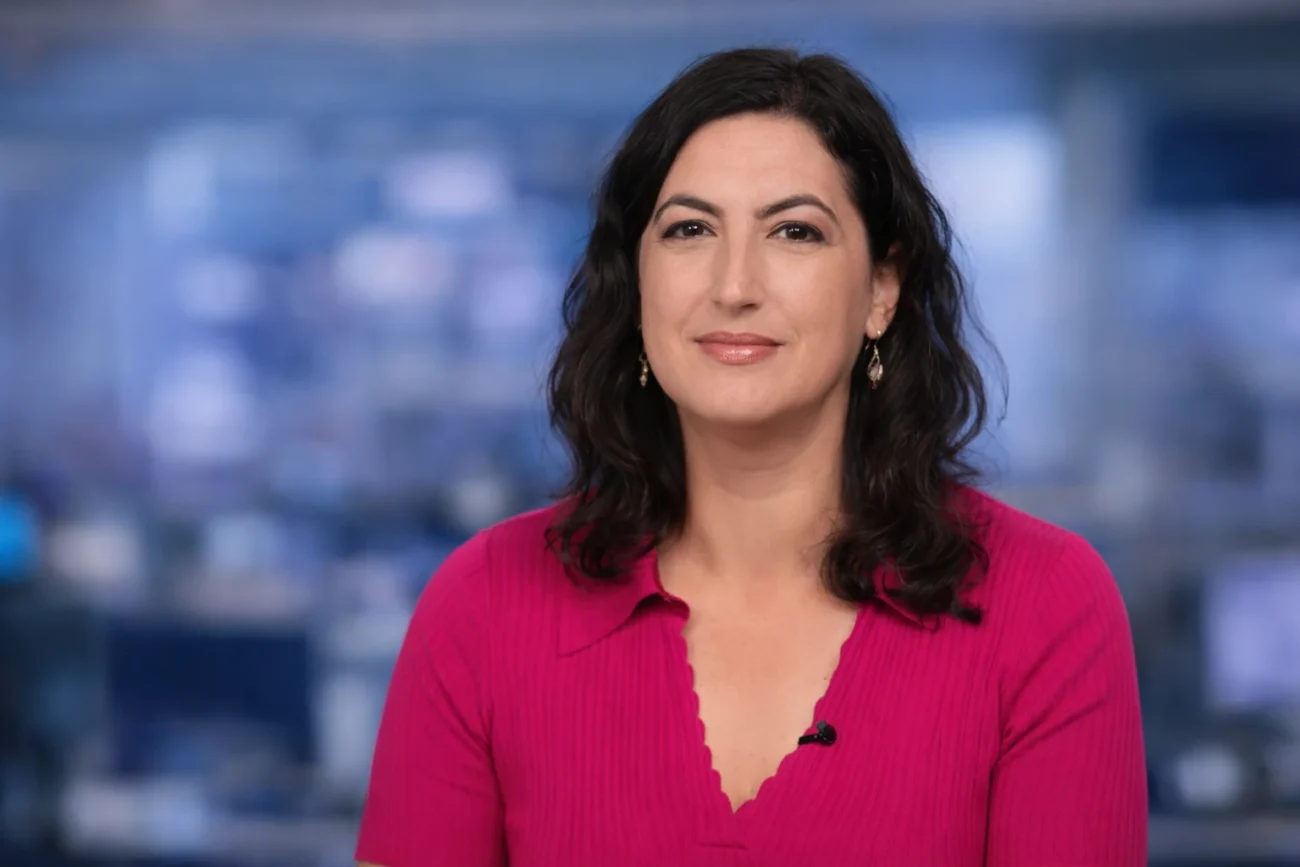
Yasmin Bodalbhai does not fit the modern mold of a television personality who becomes widely known through personal branding or constant online visibility. Instead, her presence has grown in a quieter, more traditional way—through reporting that asks difficult questions, long stretches of regional journalism, and a steady move into national broadcasting. For many viewers, her name surfaces only after they see her presenting an ITV News bulletin and wonder who she is. The answer, once you trace it properly, is the story of a journalist shaped by newsroom discipline rather than spotlight.
Her rise reflects a path that is increasingly rare in public perception but still central to British broadcast journalism. It begins not with national prominence, but with newsroom training, editorial responsibility, and years spent covering stories that rarely make headlines outside their communities. By the time Bodalbhai reached national screens, she had already built a body of work rooted in accountability reporting and public interest. That foundation explains both her credibility and the curiosity that surrounds her today.
Early Life and Family Background
Compared with many public figures, Yasmin Bodalbhai has kept details about her early life largely out of the public domain. There is no widely verified information about her exact place of birth, family background, or childhood beyond general indications that she grew up in the United Kingdom. This absence of detail is not unusual among working journalists, especially those who built their careers in newsrooms rather than entertainment or social media.
What can be said with confidence is that her career path suggests early interest in journalism or media. Entering ITN as a trainee in 2014 indicates both formal preparation and competitive selection, as such trainee schemes are typically limited and attract candidates with strong academic and practical credentials. The lack of publicly documented personal history has not hindered her professional development, but it does shape how her story is told—focused more on work than on biography.
The truth is that much of what people search for about her family, parents, or upbringing remains either private or unsupported by reliable sources. Several online profiles attempt to fill in those gaps, but they often rely on speculation or repeated claims without verifiable backing. A careful reading of her public record shows a clear line: her personal life is not part of her public brand, and she has not made it one.
Education and Entry Into Journalism
While specific details about her education are not widely documented in authoritative public sources, her entry into ITN’s trainee programme offers strong clues about her training. ITN has long been one of the UK’s most competitive entry points for broadcast journalists, with applicants typically drawn from university journalism courses or related media fields.
Joining ITN in October 2014 marked the formal start of Bodalbhai’s professional career. Within less than a year, she moved into the role of assistant news editor, a progression that suggests early recognition of both editorial judgment and newsroom reliability. These early roles often involve managing scripts, coordinating coverage, and supporting live broadcasts, which are essential skills for any journalist who later appears on screen.
That period also matters because it reflects a newsroom-first trajectory. Rather than starting as a presenter, Bodalbhai developed behind the scenes before transitioning into reporting. Many experienced journalists argue that this grounding leads to stronger on-air work, as it builds a deeper understanding of how stories are shaped, verified, and presented.
Building a Career at ITV News Central
The most formative chapter of Bodalbhai’s career unfolded at ITV News Central, the regional news service covering the Midlands. She spent around five years there as a reporter and presenter, a role that required versatility and resilience. Regional journalism in the UK often involves covering a wide range of topics, from local government decisions to breaking incidents, while also developing longer investigative pieces.
This environment helped define her reporting style. Instead of focusing on high-profile personalities or entertainment stories, she worked on issues that directly affected communities. These included social services, public health, and cases where individuals struggled to navigate large institutions. Such stories rarely offer immediate visibility but often carry lasting impact.
During her time in the Midlands, Bodalbhai also took on presenting duties, balancing field reporting with studio work. This dual role is common in regional newsrooms, where journalists are expected to be adaptable. It also served as preparation for national broadcasting, where the ability to shift between reporting and presenting is highly valued.
Her work extended beyond the Midlands as well. She spent time reporting in the north of England, further broadening her experience and exposure to different regional issues. That period contributed to her ability to handle stories with both local sensitivity and national relevance.
Investigative Reporting and Public-Interest Work
One of the defining elements of Bodalbhai’s career has been her focus on public-interest journalism. Rather than chasing sensational stories, she has reported on systemic issues that affect vulnerable groups and communities. This approach is evident in several key investigations associated with her name.
A standout example is her reporting on children’s mental health services, which examined whether young people were receiving adequate support. The investigation drew on responses from parents who described long waits, limited access to care, and the emotional toll of navigating the system. By amplifying those voices, the reporting highlighted gaps that might otherwise remain overlooked.
What’s striking about this work is its method. It began with direct engagement—reaching out to audiences and gathering firsthand accounts—before expanding into a broader examination of policy and service provision. That process reflects a core principle of journalism: starting with lived experience and then testing it against institutional realities.
She also reported on pension underpayments affecting women, a story that carried national implications. The reporting brought attention to individuals who had been underpaid for years, sometimes without realizing it, and forced a closer look at how such errors occurred. It combined human stories with accountability, a balance that defines much of her work.
Another example includes coverage of flooding in the Midlands, where she documented how communities coped with repeated environmental challenges. Rather than treating flooding as a one-off event, the reporting connected it to broader economic and social pressures, showing how recovery can be as complex as the disaster itself.
Awards and Industry Recognition
Recognition for Bodalbhai’s work has come from within the media industry rather than from mass celebrity attention. In 2021, she won Regional Journalist of the Year at the Asian Media Awards, a significant acknowledgment of her reporting during that period. The award highlighted her focus on social injustice and her ability to bring attention to underreported issues.
The projects cited included her investigation into children’s mental health, coverage of the driving test backlog during lockdown, and reporting on flooding affecting a Muslim cemetery. Each of these stories shared a common thread: they addressed gaps between policy and lived experience.
She has also been associated with Royal Television Society recognition at the regional level, including nominations tied to her work at ITV Central. While such awards may not carry the same public visibility as national honours, they are often regarded within the industry as meaningful indicators of journalistic quality.
These recognitions reinforce a consistent narrative. Bodalbhai’s career has been defined not by headline-grabbing moments, but by sustained reporting that meets professional standards and resonates with both audiences and peers.
Transition to National ITV News
In November 2022, Bodalbhai moved into a full-time role with ITN, presenting ITV’s weekday lunchtime news and weekend bulletins. This transition marked a significant step, placing her in front of a national audience and expanding her visibility beyond regional coverage.
The move also reflects a broader pattern within British television news. Journalists who demonstrate reliability and depth in regional reporting are often promoted to national roles, where they bring those skills to a wider audience. Bodalbhai’s progression fits this model closely.
As a national presenter, she continues to represent a style of journalism that prioritizes clarity and substance over personal branding. Her on-screen presence is measured and focused, aligning with the expectations of ITV’s news programming. For viewers, this consistency builds trust, even if they know little about her life beyond the screen.
Public Image and Personal Life
One of the most noticeable aspects of Yasmin Bodalbhai’s public profile is how little is known about her private life. Unlike many media figures, she does not appear to use her platform to share personal milestones, relationships, or family details. This has led to frequent online searches about her age, marital status, and background, but reliable answers are scarce.
Several websites attempt to provide details about her personal life, but these claims often lack credible sourcing. In many cases, the same information is repeated across different sites without clear evidence. As a result, distinguishing fact from speculation becomes difficult.
What’s clear is that Bodalbhai has maintained a boundary between her professional and private identities. This approach aligns with a tradition in journalism where the focus remains on reporting rather than personal exposure. It also means that any biography of her must acknowledge those limits rather than attempt to fill them with assumptions.
Income and Net Worth
There is no publicly verified figure for Yasmin Bodalbhai’s net worth. As a journalist employed by ITV News, her income would likely fall within the range typical for broadcast journalists in the UK, which varies depending on experience, role, and contract terms. Estimates circulating online are not supported by reliable financial disclosures.
Broadcast journalism salaries in the UK can differ widely, especially between regional and national roles. While national presenters generally earn more than regional reporters, exact figures are rarely made public unless disclosed by the individual or reported by credible financial sources. In Bodalbhai’s case, such disclosures do not appear to exist.
The absence of confirmed financial information is not unusual and should be treated as a gap rather than an invitation to speculate. Her professional standing is better understood through her work and career progression than through estimated earnings.
Current Work and Where She Is Now
As of the most recent publicly available information, Yasmin Bodalbhai continues to work as a presenter and reporter for ITV News. Her role includes presenting national bulletins and contributing to coverage on major stories, maintaining the balance between studio work and journalism that defined her earlier career.
Her presence on ITV reflects both continuity and growth. She remains connected to the values of regional reporting while operating on a national stage. For viewers, this combination offers a sense of familiarity alongside broader reach.
There is no indication that she has shifted away from journalism or moved into other media sectors. Instead, her career appears to be progressing within the framework she established, with potential for further development in national broadcasting.
Frequently Asked Questions
Who is Yasmin Bodalbhai?
Yasmin Bodalbhai is a British journalist and television presenter known for her work with ITV News. She began her career at ITN as a trainee in 2014 and later worked at ITV News Central before moving into a national presenting role. Her work focuses on public-interest journalism and accountability reporting.
What is Yasmin Bodalbhai known for?
She is best known for her reporting on social issues, including children’s mental health services and pension underpayments. Her work often highlights gaps between policy and real-life experiences, bringing attention to stories that affect everyday people. She is also recognized for her role as a presenter on ITV News.
Has Yasmin Bodalbhai won any awards?
Yes, she won Regional Journalist of the Year at the Asian Media Awards in 2021. This award recognized her reporting on social injustice and her ability to highlight underreported issues. She has also been associated with Royal Television Society nominations at the regional level.
Is Yasmin Bodalbhai married?
There is no publicly confirmed information about her marital status. While some websites claim to provide details, these are not supported by reliable sources. She appears to keep her personal life private.
What is Yasmin Bodalbhai’s age?
Her exact age is not widely confirmed in authoritative public records. Any specific figures found online should be treated with caution unless supported by credible sources. She has not publicly emphasized personal details such as her age.
What does Yasmin Bodalbhai do now?
She currently works as a presenter and reporter for ITV News, presenting national bulletins and contributing to coverage of major stories. Her role reflects her progression from regional journalism to a national platform.
Conclusion
Yasmin Bodalbhai’s story stands out not because it is filled with dramatic turns or personal revelations, but because it reflects a steady commitment to journalism. She built her career through newsroom roles, regional reporting, and a focus on stories that matter to ordinary people. That path may not generate constant headlines, but it carries lasting value.
What’s striking is how her professional identity remains centered on the work itself. In an era where visibility often depends on personal exposure, she has maintained a clear boundary, allowing her reporting to define her public image. This choice shapes how she is understood and why her name continues to appear in searches.
Her journey from ITN trainee to national presenter is also a reminder of how journalism careers are often built quietly, through persistence and trust rather than sudden fame. It shows that credibility still matters, even when it develops out of view.
As she continues her work with ITV News, Bodalbhai represents a form of journalism that prioritizes substance over spectacle. For viewers who encounter her on screen and wonder who she is, the answer is less about biography and more about the work she has done—and continues to do.
