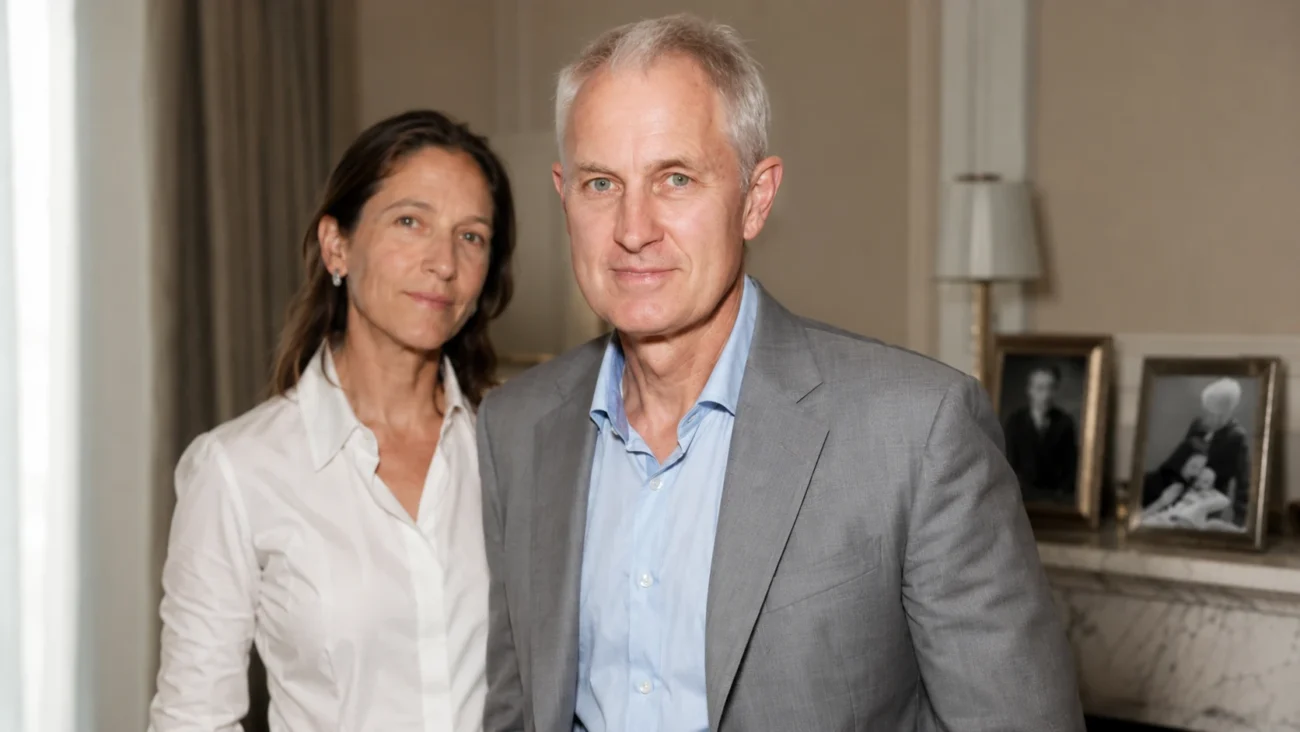
Most people who search for Leopold Stanislaus Stokowski are not looking for a celebrity in the usual sense. They are trying to understand a man connected to one of America’s most famous social dynasties and one of the twentieth century’s best-known conductors, yet who spent most of his life outside the glare that surrounded his family. That contrast is what makes him interesting. In a family defined by public attention, emotional drama, inherited fame, and relentless media curiosity, Stan Stokowski chose something different: privacy.
Leopold Stanislaus “Stan” Stokowski was born into wealth, culture, and celebrity history. His mother was Gloria Vanderbilt, the artist, writer, heiress, and fashion figure whose childhood custody trial became one of the biggest tabloid stories of the 1930s. His father was Leopold Stokowski, the internationally celebrated conductor associated with the Philadelphia Orchestra and Disney’s Fantasia. His younger half-brother is CNN anchor Anderson Cooper, one of the most recognizable journalists in the United States.
Yet unlike the people around him, Stan Stokowski rarely courted publicity. Over the years, he appeared only occasionally in public, mostly in connection with his mother or family events. While the Vanderbilt and Cooper names remained fixtures in magazines and television specials, Stokowski built a life largely away from celebrity culture. That distance has made him a source of curiosity for readers trying to piece together the complicated Vanderbilt family story.
Early Life and Family Background
Leopold Stanislaus Stokowski was born on August 22, 1950, in New York. He arrived at a moment when both of his parents were already famous in very different ways. His father, Leopold Stokowski, had become one of the most recognizable conductors in the world through concerts, recordings, radio appearances, and film work. His mother, Gloria Vanderbilt, carried one of the most famous surnames in American high society long before she became a designer and artist in her own right.
The world he entered was glamorous from the outside but often unstable behind closed doors. Gloria Vanderbilt’s life had already been shaped by intense public scrutiny. As a child, she became the center of a bitter custody battle between her mother and aunt, a case that newspapers covered obsessively during the Great Depression. That experience left a lasting mark on Vanderbilt, who later spoke openly about loneliness, emotional upheaval, and the strange pressure of growing up as a public curiosity.
Stan grew up with one younger full brother, Christopher Stokowski, who was born in 1952. The boys spent their earliest years around artists, socialites, musicians, and wealthy East Coast circles that fascinated reporters for decades. But the marriage between Gloria Vanderbilt and Leopold Stokowski did not last. The couple divorced in 1955, when Stan was still a child.
That early divorce shaped much of the family structure that followed. Gloria Vanderbilt later married director Sidney Lumet and then writer Wyatt Cooper, with whom she had two more sons, Carter Vanderbilt Cooper and Anderson Cooper. The family tree became unusually layered, blending old-money history, entertainment culture, journalism, and personal tragedy into one highly public American family narrative.
Growing Up in the Vanderbilt Orbit
Being born a Vanderbilt carried enormous cultural weight in mid-century America. The Vanderbilt fortune, built through railroads and shipping in the nineteenth century, symbolized Gilded Age wealth on a massive scale. By the time Stan was born, much of that original fortune had faded, but the family name still represented privilege, glamour, and social visibility.
Gloria Vanderbilt herself became a symbol of reinvention. She moved through several careers across her lifetime, working as an actress, artist, writer, and eventually a successful fashion entrepreneur. Her designer jeans became a cultural phenomenon in the late 1970s and early 1980s, helping create the modern idea of luxury-branded denim.
For her children, though, life around fame could be emotionally complicated. Anderson Cooper later spoke openly about the instability and grief that shaped parts of the family experience. Carter Cooper’s death by suicide in 1988 deeply affected everyone close to Vanderbilt. Christopher Stokowski became estranged from much of the family for many years. Through it all, Stan Stokowski remained comparatively private and rarely discussed family matters publicly.
That silence became part of his public identity. Unlike many celebrity relatives who capitalize on famous connections, Stan appeared comfortable staying largely outside the media machinery that surrounded the Vanderbilt-Cooper family. The truth is, very little verified personal commentary from him exists in the public record.
The Influence of Leopold Stokowski
Stan’s father, Leopold Stokowski, was already a legendary figure by the time his son was born. Born in London in 1882, the elder Stokowski became famous for his dramatic conducting style, ambitious programming, and ability to popularize classical music for wider audiences. He led the Philadelphia Orchestra for more than two decades and worked with Walt Disney on the groundbreaking 1940 film Fantasia.
He was known not only for music but also for personality. Stokowski cultivated a theatrical public image that made him unusually recognizable for a classical conductor. His relationships attracted attention as well, including a highly publicized romance with actress Greta Garbo before he married Gloria Vanderbilt.
The age gap between Stan’s parents was substantial. Leopold Stokowski was in his late sixties when Stan was born, while Gloria Vanderbilt was still in her twenties. That difference contributed to the unusual atmosphere surrounding the household. By the time Stan entered adolescence, his father was already elderly by most standards.
Leopold Stokowski died in 1977 at age 95. His reputation in classical music remained enormous long after his death. Historians still credit him with helping transform orchestral performance into a more accessible cultural event through recordings, film, and broadcasting. For Stan, however, the inheritance from his father appears to have been less about public performance and more about cultural background and artistic environment.
Education and Personal Interests
Publicly available information about Stan Stokowski’s education is limited, which fits the broader pattern of his life. Unlike Anderson Cooper, whose schooling and journalism career became widely documented, Stan did not build a public-facing professional identity that required interviews or media profiles.
Several reports over the years have linked him to gardening, horticulture, and grounds-related business work in New York and New England. Friends and local reporting described him as someone with a deep interest in landscape work and ornamental gardening rather than entertainment or media. That career direction may seem surprising to people expecting another Vanderbilt social figure, but it also reflects a more grounded and hands-on life than many celebrity biographies suggest.
Not many people know this, but horticulture and estate gardening often overlap with old East Coast social circles in highly specialized ways. Historic homes, private estates, and garden preservation projects create a professional world where craftsmanship and aesthetics matter deeply. By most accounts, Stan Stokowski moved more comfortably through that environment than through Hollywood or television culture.
His adult life appears to have centered on work, family, and a smaller social footprint than the one surrounding many of his relatives. That decision likely protected him from some of the pressures that came with carrying such recognizable names.
Marriage, Family, and Private Life
Over the years, Stan Stokowski has been linked publicly to two marriages. Reports identify his former spouses as Ivy Strick and later Emily Goldstein. Public records and social reporting indicate that he has children, including daughters named Aurora and Abra.
His relationship with Emily Goldstein drew occasional attention in New York and East Hampton social coverage because of her work in luxury travel and cultural tourism. Even then, the attention surrounding Stan himself remained limited. He rarely gave interviews and generally avoided the sort of celebrity exposure many famous-family descendants eventually embrace.
That privacy has made it difficult for tabloids and celebrity websites to build sensational narratives around him. In many ways, that may have been intentional. The Vanderbilt family history already carried enough public trauma, including financial scrutiny, addiction struggles, mental health crises, and family estrangements. Stan’s quieter lifestyle stood apart from the cycle of exposure that followed many famous American dynasties.
Readers searching for him today sometimes expect hidden scandals or dramatic revelations because of the family name. But the public record simply does not support those assumptions. What emerges instead is the portrait of someone who appears to have valued ordinary routines and personal distance over publicity.
Relationship With Gloria Vanderbilt
Among Gloria Vanderbilt’s four sons, Stan appeared to maintain one of the steadier relationships with his mother over time. He attended several public events connected to her art exhibitions and documentary appearances, including events surrounding the HBO documentary Nothing Left Unsaid: Gloria Vanderbilt & Anderson Cooper in 2016.
That documentary offered audiences a deeply personal look at Vanderbilt’s life, grief, relationships, and memories. Directed by Liz Garbus, the film explored Vanderbilt’s childhood fame, marriages, losses, and connection with Anderson Cooper. Stan appeared briefly within the larger family story, though he did not become a central public voice in the film.
What’s surprising is how much the documentary reinforced the emotional complexity of the family without turning Stan into a dramatic character. He remained largely what he had always been in public life: present, connected, but private.
When Gloria Vanderbilt died in June 2019 at age 95, media attention returned to the family structure and inheritance questions surrounding her estate. Reports indicated that Stan inherited Vanderbilt’s co-op apartment at 30 Beekman Place in Manhattan, while Anderson Cooper inherited most of the remaining estate assets.
Those headlines generated widespread speculation about money and family dynamics. But here’s the thing. Much of the public assumed the Vanderbilt estate still reflected vast Gilded Age wealth, when in reality the family fortune had diminished significantly across generations. Anderson Cooper himself repeatedly stated over the years that he did not grow up with a trust fund and did not expect a major inheritance.
Public Attention and Media Curiosity
Stan Stokowski occupies an unusual position in celebrity culture. He is connected to several highly recognizable figures, but he never became famous independently. That creates a strange dynamic online, where interest in him often exceeds the amount of reliable information available.
Some websites have exaggerated or invented details about his business interests, wealth, or social status. Others confuse him directly with his father, the conductor Leopold Stokowski. Responsible biographies need to separate those identities clearly. The elder Stokowski remains one of the most studied conductors in orchestral history. Stan, by contrast, has lived largely outside entertainment and media industries.
This limited public record has also fueled curiosity because readers often assume that privacy itself must hide a dramatic story. In many cases, though, privacy simply means someone chose not to become a public personality. That seems closer to the truth in Stan Stokowski’s case.
His occasional appearances at gallery openings, family events, and documentary premieres show that he was not estranged from public life entirely. He simply did not organize his identity around visibility. In the social media era, where celebrity families often monetize exposure across generations, that restraint feels increasingly unusual.
The Vanderbilt Legacy and Cultural Fascination
Part of the continuing fascination around Stan Stokowski comes from the broader American obsession with dynasties. The Vanderbilts occupy a strange place in the national imagination because they combine old industrial wealth with personal drama, social prestige, and decline.
Gloria Vanderbilt herself represented several eras of American celebrity at once. She was first famous as a child, later reinvented herself through fashion and business, and eventually became known to younger audiences largely through Anderson Cooper. Through all those transitions, the Vanderbilt name retained symbolic power far beyond its actual financial standing.
Stan inherited that symbolic weight without pursuing a public role within it. The contrast between his family background and his relative invisibility makes him compelling to readers who expect every famous-family descendant to become a media figure.
There is also something culturally revealing about his story. American celebrity culture tends to reward disclosure, performance, and reinvention. People who step away from that cycle often become objects of curiosity precisely because they resist it. Stan Stokowski’s life suggests another possibility: staying connected to family history without turning oneself into content.
Estimated Net Worth and Financial Questions
Reliable information about Stan Stokowski’s personal net worth is limited. Many celebrity websites publish speculative figures, but few provide verifiable sourcing. Because he has largely avoided public business promotion and financial disclosure, estimates should be treated cautiously.
What can be said with confidence is that he benefited from family connections, social access, and inherited cultural prestige. Public reports also indicate that he worked professionally in horticulture and estate-related business ventures in New York and New England. But there is no strong evidence supporting the exaggerated fortune estimates sometimes repeated online.
The confusion around Vanderbilt wealth adds to the uncertainty. By the time Gloria Vanderbilt died, much of the original Vanderbilt fortune had long since dissipated. Financial historians often point to the family as an example of how enormous inherited fortunes can diminish across generations through spending, taxes, and changing economic structures.
That context matters because readers frequently assume every Vanderbilt descendant remains massively wealthy. The historical reality is more complicated. Prestige survived longer than the fortune itself.
Where Leopold Stanislaus Stokowski Is Now
Stan Stokowski has continued to live mostly outside public attention. Unlike Anderson Cooper, who remains highly visible through CNN, books, podcasts, and documentary projects, Stan rarely appears in national media coverage unless connected to family news.
Public sightings and reports suggest he has maintained ties to New York and the Northeast. He appears occasionally at cultural or family-related events but otherwise keeps a low public profile. No major recent interviews, memoirs, or business ventures have emerged under his name.
That absence from modern celebrity culture is striking. Many children and grandchildren of famous families now build public brands through social media, television, or fashion partnerships. Stan Stokowski instead represents an older style of privacy that has become increasingly rare among high-profile American families.
The truth is, that privacy may be the defining feature of his biography. He belongs to one of the most recognizable family networks in American culture, yet managed to avoid becoming consumed by its public machinery.
Frequently Asked Questions
Who is Leopold Stanislaus Stokowski?
Leopold Stanislaus Stokowski, often called Stan Stokowski, is the eldest son of Gloria Vanderbilt and conductor Leopold Stokowski. He was born in 1950 and is also the older half-brother of journalist Anderson Cooper.
Is Leopold Stanislaus Stokowski related to Anderson Cooper?
Yes. Stan Stokowski and Anderson Cooper share the same mother, Gloria Vanderbilt. Cooper’s father was writer Wyatt Cooper, while Stan’s father was conductor Leopold Stokowski.
What did Leopold Stanislaus Stokowski do for a living?
Public reports describe him as working in horticulture, estate gardening, and related business ventures in New York and New England. Unlike many members of his extended family, he did not pursue a public career in entertainment or media.
Who were Leopold Stanislaus Stokowski’s parents?
His mother was Gloria Vanderbilt, the artist, author, fashion designer, and heiress. His father was Leopold Stokowski, the world-famous conductor known for his work with the Philadelphia Orchestra and Disney’s Fantasia.
Did Leopold Stanislaus Stokowski inherit money from Gloria Vanderbilt?
Reports following Gloria Vanderbilt’s death in 2019 stated that Stan inherited her co-op apartment at 30 Beekman Place in Manhattan. Most of the remaining estate reportedly went to Anderson Cooper. Exact financial details beyond court filings remain private.
Is Leopold Stanislaus Stokowski a public figure?
Not in the traditional sense. He is known primarily because of his family connections rather than through a public entertainment, political, or media career. He has spent most of his life outside celebrity culture.
Conclusion
Leopold Stanislaus Stokowski’s story stands apart precisely because it resists the patterns people expect from famous families. He was born into extraordinary visibility yet built an adult life defined mostly by discretion. In a culture that often rewards exposure, that choice feels unusual and, in some ways, quietly impressive.
His life also reflects the complicated inheritance of American dynasties. The Vanderbilt name carried glamour, tragedy, social prestige, and endless public fascination across generations. Stan inherited all of that history without turning himself into a public spectacle.
There is a tendency to assume that privacy means mystery or hidden drama. But the available record suggests something simpler. Stan Stokowski appears to have valued ordinary work, personal relationships, and distance from media attention more than celebrity itself.
That may ultimately be why readers continue searching for him. In a family where so much became public, he remained one of the few figures who managed to keep most of his life his own.
