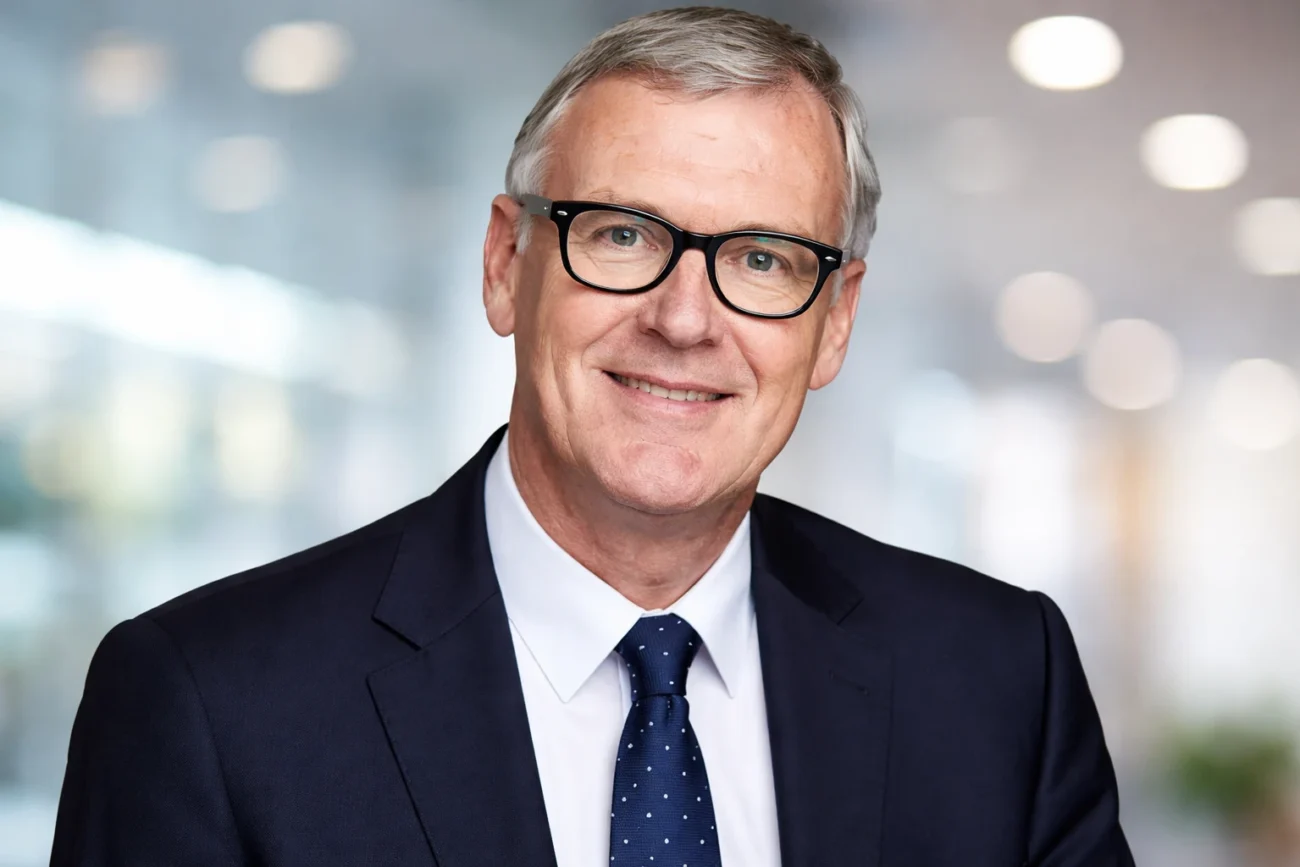
In the British media world, where personalities often compete for attention as fiercely as the content they produce, Nigel Sharrocks has built a career defined by the opposite instinct. He is not a household name, nor has he ever seemed particularly interested in becoming one. Yet for decades, he has operated at the highest levels of advertising, film distribution, and media measurement, shaping how audiences are reached, counted, and ultimately monetized.
For many outside the industry, Sharrocks first appears in headlines as the husband of BBC presenter Fiona Bruce. That association brings curiosity, but it only tells a small part of the story. The truth is that Sharrocks has spent his professional life in positions that quietly influence what audiences watch and how the business behind those choices functions. His career, which spans Warner Bros., Aegis Media, Digital Cinema Media, and Barb, reflects a deep involvement in the systems that underpin modern media.
Early Life and Education
Nigel Sharrocks has maintained a notably private stance when it comes to his early life, and the public record offers only limited detail about his childhood and upbringing. Unlike many public figures whose biographies are filled with anecdotes from formative years, Sharrocks’s story begins in earnest with his education and early professional steps. That absence of detail is not unusual for senior executives who built their careers before the current era of personal branding.
What is known with more certainty is that he attended the University of Bath, an institution that has highlighted him among its notable alumni. His education there laid the groundwork for a career in advertising and media, industries that were themselves undergoing rapid expansion and change during the early years of his professional life. The university’s acknowledgment suggests that his achievements have been recognized within academic as well as industry circles.
The truth is, Sharrocks’s early influences are less documented than his later decisions. That said, his trajectory into advertising suggests an early interest in communication, audience behavior, and the commercial side of media. Those interests would shape the direction of his entire career.
First Steps in Advertising
Sharrocks began his professional journey in the advertising sector, a field that demands both creativity and commercial discipline. Early roles at agencies such as BMP and later MediaCom placed him in environments where strategy, client relationships, and media planning intersect. These were not glamorous roles in the public sense, but they were foundational.
Working within agencies gave Sharrocks exposure to how brands communicate with audiences and how media buying decisions are made. It also offered a front-row seat to the evolving relationship between advertisers and media owners. This experience would later prove essential as he moved into leadership roles that required a broad understanding of both sides of the industry.
What’s striking about this phase is how it set a pattern for the rest of his career. Rather than specializing narrowly, Sharrocks developed a wide-angle view of media, one that included advertising strategy, content distribution, and audience engagement. That perspective would become one of his defining strengths.
Warner Bros. and the Film Industry
A major turning point in Sharrocks’s career came with his move to Warner Bros. Pictures UK. By 1999, he had risen to the role of managing director, placing him at the helm of one of the most significant film distribution businesses in the country. It was a position that required both creative sensitivity and commercial precision.
During his tenure, Warner Bros. was responsible for releasing some of the most successful film franchises of the era, including the Harry Potter series and The Matrix. While Sharrocks was not a filmmaker, his role involved overseeing how these films were positioned, marketed, and distributed in the UK market. That work required close coordination with cinemas, advertisers, and promotional partners.
The success of those films during his leadership period speaks to the strength of Warner Bros.’ global strategy, but it also reflects the effectiveness of its local execution. Sharrocks’s job was to ensure that major releases translated into strong audience turnout and sustained commercial success in the UK. It was a high-pressure environment, and one that sharpened his understanding of how audiences respond to content at scale.
Aegis Media and Global Leadership
In 2004, Sharrocks made a significant shift, leaving Warner Bros. to join Aegis Media. He was appointed chief executive for the UK and Ireland, a role that placed him back in the advertising world but at a much higher level of responsibility. The move might have seemed unexpected, but it aligned with his broader career pattern of working across different parts of the media ecosystem.
At Aegis, Sharrocks oversaw major agency brands including Carat, Vizeum, and Posterscope. These agencies were responsible for planning and buying media on behalf of some of the world’s largest advertisers. His role involved managing large teams, maintaining client relationships, and navigating a market that was becoming increasingly complex due to digital disruption.
Here’s where it gets interesting. The period during which Sharrocks led Aegis Media coincided with a major shift in how advertising operated. Digital platforms were gaining influence, traditional media models were under pressure, and clients were demanding more measurable results. Leading through that transition required adaptability and a steady hand.
By the time he stepped down in 2013, Sharrocks had become one of the most respected figures in the agency world. His tenure was marked by stability and growth, even as the industry faced significant change. It also positioned him for the next phase of his career, one focused less on day-to-day management and more on governance and oversight.
Transition to Boardroom Leadership
After leaving Aegis, Sharrocks did not retire from the industry. Instead, he transitioned into a series of influential non-executive roles that allowed him to shape the direction of key organizations without being involved in their daily operations. This shift reflected both his experience and the trust placed in his judgment.
One of his most significant appointments came in 2013, when he became non-executive chairman of Digital Cinema Media (DCM). DCM is the dominant player in UK cinema advertising, representing a large network of screens across major cinema chains. As chairman, Sharrocks’s role involves overseeing strategy, governance, and relationships with stakeholders.
At around the same time, he was appointed chairman of Barb, the organization responsible for measuring television audiences in the UK. Barb’s data is widely used by broadcasters, advertisers, and agencies to understand viewing behavior and make commercial decisions. Chairing such an organization requires a strong sense of independence and credibility.
These roles highlight a shift in Sharrocks’s career from operator to overseer. Rather than running companies directly, he now helps guide institutions that are central to how media is bought, sold, and understood.
Digital Cinema Media and the Cinema Advertising Market
Digital Cinema Media occupies a unique position in the UK media landscape. It controls a significant share of cinema advertising, working with major chains such as Odeon, Vue, and Cineworld. The company’s business is built on the idea that cinema offers a premium environment for advertisers, with audiences who are attentive and engaged.
As chairman, Sharrocks has been involved in steering DCM through a period of change. The rise of streaming services and shifts in audience habits have affected cinema attendance, but the medium has retained its appeal for advertisers seeking impact. DCM has continued to expand its network and refine its offering during his tenure.
Not many people know this, but cinema advertising relies heavily on timing and audience mood. Unlike other forms of media, it reaches viewers in a controlled setting where distractions are minimal. That makes it valuable, even in a crowded advertising market.
Sharrocks’s experience in both film distribution and advertising makes him particularly well suited to this role. He understands the dynamics of cinema from multiple angles, which helps inform strategic decisions at DCM.
Barb and the Future of Audience Measurement
If DCM represents the selling of media, Barb represents its measurement. The organization has long been the standard for television ratings in the UK, but its role has expanded significantly in recent years. With the growth of streaming and on-demand viewing, measuring audiences has become more complex.
As chairman, Sharrocks has overseen Barb’s efforts to adapt to these changes. The organization has introduced new methods for capturing viewing across different platforms, combining traditional panel data with digital tracking. These developments are essential for maintaining trust in the data that underpins the media market.
The truth is, measurement is one of the least visible but most important parts of the industry. Without reliable data, advertisers cannot plan campaigns effectively, and broadcasters cannot demonstrate the value of their content. Barb’s work ensures that there is a shared understanding of what audiences are watching.
Sharrocks’s leadership in this area reflects his broader career focus on systems rather than spotlight. He has consistently worked in roles that shape how the industry functions behind the scenes.
Marriage and Family Life
Nigel Sharrocks is married to Fiona Bruce, one of the BBC’s most recognizable presenters. Bruce is known for her work on programs such as BBC News at Ten, Question Time, and Antiques Roadshow. The couple has been married since 1994 and has two children together.
Despite their public-facing roles, Sharrocks and Bruce have maintained a relatively private family life. They have occasionally been the subject of media coverage, particularly when Bruce’s career places her in the spotlight, but they have generally avoided extensive public discussion of their personal lives.
There have been moments when Sharrocks’s name has appeared in broader media debates, often due to misunderstandings or online claims. Fact-checking organizations have clarified some of these instances, reinforcing the importance of distinguishing between verified information and speculation.
What stands out is the couple’s longevity and stability. In an industry where public relationships can be fragile, their long marriage suggests a shared commitment to keeping personal life separate from professional demands.
Public Image and Industry Reputation
Sharrocks’s public image is shaped less by media appearances and more by professional respect. Within the industry, he is regarded as a steady and experienced leader, someone who understands both the commercial and operational sides of media.
He is not known for outspoken commentary or headline-making statements. Instead, his reputation is built on consistency and reliability. Colleagues and industry observers often describe him as measured, pragmatic, and effective in governance roles.
That said, his low public profile can sometimes lead to misconceptions. Because he is not widely visible, there is a tendency for online content to fill in gaps with speculation. This makes it especially important to rely on verified sources when assessing his career and contributions.
What’s surprising is how much influence can exist without visibility. Sharrocks’s career demonstrates that some of the most important decisions in media are made far from the public eye.
Business Interests and Net Worth
Information about Nigel Sharrocks’s personal wealth is limited and should be treated with caution. While various online sources provide estimates of his net worth, these figures are rarely supported by verifiable data. As a result, it is more accurate to describe his financial position in general terms rather than citing specific numbers.
His income has likely been derived from senior executive roles, board positions, and long-term involvement in major media organizations. These roles typically come with substantial compensation, including salaries, bonuses, and potential equity stakes. However, without confirmed figures, any precise valuation would be speculative.
The truth is, Sharrocks’s influence in the industry does not depend on public displays of wealth. His career reflects a focus on leadership and governance rather than personal branding or financial disclosure.
Where Nigel Sharrocks Is Now
As of 2026, Nigel Sharrocks remains active in the media industry through his roles as chairman of Digital Cinema Media and Barb. These positions keep him at the center of ongoing developments in advertising and audience measurement. Both organizations are dealing with significant changes, from shifts in viewing habits to evolving technologies.
His continued presence in these roles suggests that he is still seen as a valuable figure in guiding the industry through uncertainty. While he may not be involved in daily operations, his influence is felt in the strategic direction of these organizations.
Sharrocks’s current work reflects a broader trend in his career. He has moved from running businesses to shaping the frameworks that support them. It is a quieter form of leadership, but one that carries substantial weight.
Frequently Asked Questions
Who is Nigel Sharrocks?
Nigel Sharrocks is a British media executive known for his leadership roles at Warner Bros. Pictures UK and Aegis Media, as well as his chairmanships of Digital Cinema Media and Barb. He has spent decades working across advertising, film, and audience measurement.
What is Nigel Sharrocks known for?
He is best known for his work in media leadership, particularly during his time at Warner Bros. and Aegis Media. In recent years, he has gained recognition for his role in overseeing key industry bodies such as Barb and DCM.
Is Nigel Sharrocks married?
Yes, Nigel Sharrocks is married to BBC presenter Fiona Bruce. The couple has been married since 1994 and has two children.
What does Nigel Sharrocks do now?
As of 2026, he serves as chairman of Digital Cinema Media and Barb. These roles involve overseeing strategy and governance rather than day-to-day operations.
What is Nigel Sharrocks’s net worth?
There are no publicly confirmed figures for his net worth. While estimates exist online, they should be treated as speculative due to a lack of verified data.
Why is Nigel Sharrocks associated with Fiona Bruce?
He is associated with Fiona Bruce because they are married. This connection has led to increased public interest in his life, especially among audiences familiar with her work.
Conclusion
Nigel Sharrocks’s career offers a different kind of success story, one that unfolds largely out of view. He has spent decades shaping the media industry from positions that rarely attract public attention but carry significant influence. His work at Warner Bros., Aegis Media, DCM, and Barb reflects a consistent focus on how media operates at scale.
The truth is, his impact is easier to see when you look at the systems rather than the headlines. Cinema advertising, television measurement, and agency media planning are all areas where his decisions have left a mark. These are not glamorous arenas, but they are essential to the functioning of the industry.
What defines Sharrocks is not just what he has done, but how he has done it. His career suggests a preference for steady leadership over visibility, for governance over spectacle. That approach has earned him respect within the industry, even if it keeps him largely out of the spotlight.
As the media world continues to change, figures like Sharrocks remain important. They provide continuity, experience, and a sense of balance in a business that is often driven by rapid shifts and new technologies. His story is a reminder that influence does not always come with fame, and that some of the most important work happens behind the scenes.
