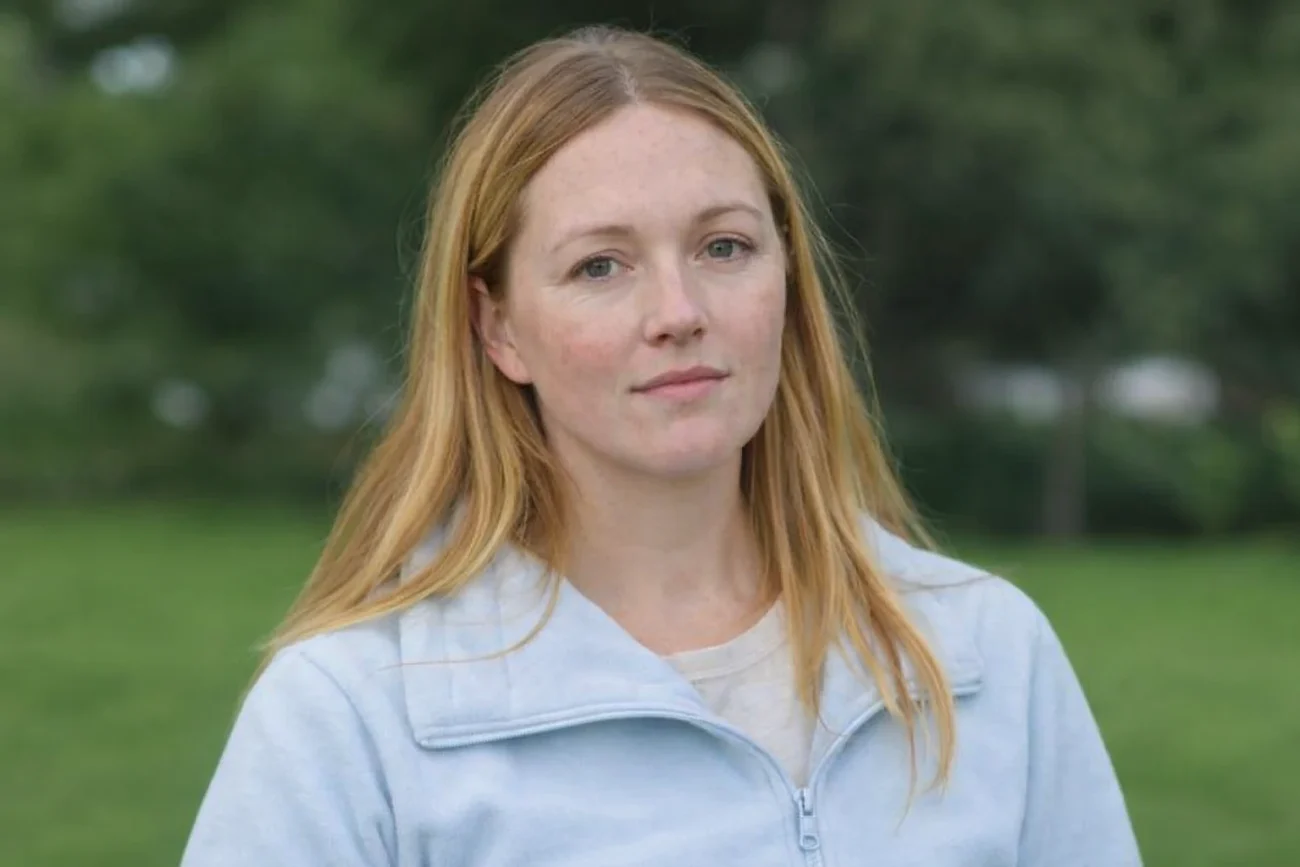
For a brief moment in the early 1990s, Felicity Tonkin’s name crossed from private life into global headlines. It wasn’t because of a career in the spotlight or a public role she had chosen, but because of a legal case that intersected with one of Britain’s most closely watched families. Since then, curiosity about her has lingered, even as she herself appears to have stepped quietly away from attention.
That contrast defines much of her story. Felicity Tonkin is often described through her connection to Mark Phillips, the Olympic equestrian and former husband of Princess Anne. Yet the more closely one looks, the clearer it becomes that her life has unfolded largely outside the glare that made her name known in the first place. What remains is a biography shaped by public fact, limited documentation, and a consistent thread of privacy.
Early Life and Family Background
Felicity Tonkin was born in August 1985 in New Zealand. Her mother, Heather Tonkin, lived there at the time and later became the central figure in a paternity case that would bring both her and her daughter into international view. At the time of Felicity’s birth, Mark Phillips was still married to Princess Anne, although their relationship was already under strain.
The circumstances surrounding her birth were not widely known at first. It was only several years later, when Heather Tonkin pursued legal action, that the situation became public. Reports from the early 1990s describe Heather Tonkin’s claim that her daughter had been conceived after a brief encounter with Phillips during his visit to New Zealand in 1984.
That claim eventually led to a court case, and it was through those proceedings that Felicity Tonkin’s parentage became part of the public record. A DNA test conducted in 1991 confirmed that Mark Phillips was her father. At that point, a private matter became a widely reported story, drawing attention far beyond New Zealand.
A Childhood Largely Out of the Spotlight
Despite the publicity surrounding the paternity case, Felicity Tonkin’s upbringing appears to have remained largely private. Unlike many children connected to high-profile figures, she did not grow up in the public eye or within royal institutions. Instead, available information suggests she was raised in New Zealand by her mother.
There is little verified detail about her early schooling or childhood environment. That absence is not unusual for individuals who are not public figures in their own right. It also reflects a conscious or circumstantial distance from the media attention that followed the legal case.
What can be inferred is that her early life was shaped by an unusual dual reality. On one hand, she had a biological link to a man connected to the British royal family. On the other, she lived far from that world, in a country where she could maintain a degree of normalcy.
The Paternity Case and Public Attention
The legal proceedings that brought Felicity Tonkin’s name into public view remain the most documented part of her life. In 1991, Heather Tonkin initiated a paternity claim in New Zealand, asserting that Mark Phillips was the father of her daughter. The case drew international media attention because of Phillips’s status as Princess Anne’s husband at the time.
Phillips initially contested the claim, but the matter was ultimately resolved through DNA testing. The results confirmed his paternity, and the outcome became widely reported. The case unfolded against the backdrop of Phillips’s already strained marriage to Princess Anne, which had been publicly acknowledged as a separation in 1989.
While it would be overly simplistic to attribute the breakdown of that marriage solely to the paternity case, the timing ensured that the two stories became closely linked in public perception. For Felicity Tonkin, however, the case represented something more personal: a formal acknowledgment of her parentage.
Relationship to the Royal Family
Felicity Tonkin’s connection to the British royal family is indirect but clear. Through her father, she is the half-sister of Peter Phillips and Zara Tindall, the children of Mark Phillips and Princess Anne. That relationship has fueled much of the ongoing interest in her life.
However, she is not considered a member of the royal family in any official capacity. She does not hold a title, nor is she part of the line of succession. The structure of the British monarchy is defined by specific legal and hereditary rules, and her position falls outside those frameworks.
What’s surprising is how often this distinction is blurred in online coverage. Phrases like “secret royal daughter” or “hidden princess” appear frequently, but they misrepresent her actual status. Felicity Tonkin’s story intersects with the royal family, but it does not place her within its formal structure.
Education and Career Path
Information about Felicity Tonkin’s education and professional life is limited and, in some cases, not fully verified. Several contemporary profile pieces suggest that she pursued a career related to equine care, possibly as a veterinarian. Given her father’s background in equestrian sports, this detail has a certain plausibility.
There are references in New Zealand equestrian circles to a professional named Felicity Wade involved in veterinary work and horse care education. Some reports suggest that Tonkin later married and adopted the surname Wade, though this detail is not consistently documented across reliable sources.
That said, without firm primary documentation linking all these details together, they should be treated with caution. What can be said with more confidence is that her adult life appears to have remained grounded in New Zealand, away from the public roles that might have come with her family connections.
Personal Life and Relationships
Felicity Tonkin’s personal life has largely remained out of public view. Claims about her marriage, children, and daily life circulate online, but many of these details originate from secondary or low-credibility sources. There are no widely reported interviews or public statements from Tonkin herself that confirm these aspects of her life.
This absence of direct information is significant. It suggests a deliberate choice, or at least a consistent pattern, of maintaining privacy. In an era where many individuals connected to public figures seek visibility, Tonkin’s apparent withdrawal from media attention stands out.
Her relationship with her father, Mark Phillips, is also not well documented in public sources. While the paternity case established their biological connection, there is little reliable information about the nature of their relationship afterward. The same is true of her connection to her half-siblings.
Public Image and Media Portrayal
The way Felicity Tonkin is portrayed in the media reflects the tension between fact and speculation. Early coverage focused on the legal case and its implications for the royal family. Later coverage often shifts toward biographical storytelling, sometimes blending verified facts with unconfirmed details.
This has led to a fragmented public image. On one hand, she is seen as a figure tied to a significant royal-era controversy. On the other, she is described as someone who has lived a quiet, independent life far from that narrative.
The truth likely lies somewhere between those two perspectives. Her early exposure to media attention was not something she chose, and her later life suggests a move away from that spotlight. The persistence of interest in her story says as much about public fascination with royal connections as it does about Tonkin herself.
Financial Status and Net Worth
There is no reliable public record detailing Felicity Tonkin’s net worth or financial standing. Estimates that appear online are often speculative and lack credible sourcing. Without verified information about her career earnings, assets, or financial arrangements, any specific figure would be conjecture.
What can be said is that her life does not appear to be defined by public wealth or high-profile business ventures. If she has pursued a professional career in veterinary medicine or a related field, her income would likely reflect that profession rather than any royal association.
This distinction matters because it challenges a common assumption. Being connected to a well-known family does not automatically translate into wealth or public status. Tonkin’s case illustrates how those connections can exist without reshaping a person’s everyday life in visible ways.
Where Felicity Tonkin Is Now
Current information about Felicity Tonkin’s life is limited, and that limitation appears intentional. She is widely believed to still reside in New Zealand, where she has maintained a private life away from media attention. There are no confirmed public appearances, interviews, or recent developments that place her in the spotlight.
This lack of visibility can be frustrating for readers seeking a complete biography, but it also speaks to a consistent pattern. From childhood through adulthood, Tonkin has remained largely outside the public narrative that first brought her name into view.
Not many people know this, but that kind of sustained privacy is increasingly rare. In a world where personal stories are often shared widely and instantly, Tonkin’s life stands as an example of someone who has remained largely defined by her own choices rather than public expectations.
Frequently Asked Questions
Who is Felicity Tonkin?
Felicity Tonkin is the daughter of Heather Tonkin and Mark Phillips, a British Olympic equestrian and former husband of Princess Anne. Her name became publicly known through a paternity case in New Zealand in the early 1990s, which confirmed Phillips as her father.
Is Felicity Tonkin related to the British royal family?
Yes, but only indirectly. She is the half-sister of Peter Phillips and Zara Tindall through their father, Mark Phillips. However, she is not a member of the royal family in any official sense and does not hold a title.
Does Felicity Tonkin have a royal title?
No, she does not have a royal title. The British monarchy’s structure is based on specific hereditary and legal rules, and her position falls outside those frameworks.
What does Felicity Tonkin do for a living?
There are reports suggesting she works in equine veterinary medicine in New Zealand, though detailed confirmation is limited. Much of her professional life has not been publicly documented in a verifiable way.
Did Felicity Tonkin grow up with her father?
Public sources do not provide clear information about her relationship with Mark Phillips during her childhood. While his paternity was confirmed through DNA testing, details about their personal relationship remain private.
Is Felicity Tonkin married?
Some reports suggest she may have married and changed her surname, but there is no widely confirmed public record detailing her marital status or family life.
Conclusion
Felicity Tonkin’s life sits at the intersection of public curiosity and private reality. Her name became known because of a legal case tied to a prominent figure, yet the years that followed suggest a deliberate move away from that attention. That contrast is what continues to draw interest, even decades later.
The available facts tell a clear but limited story. She is the daughter of Mark Phillips, her parentage was confirmed through a high-profile case, and she shares a biological connection with individuals who grew up in the public eye. Beyond that, much of her life remains her own.
That distance from publicity is not a gap to be filled with speculation. It is a defining feature of her biography. In many ways, Felicity Tonkin’s story is less about what is known and more about what has been quietly, consistently kept out of view.
